Premium WordPress Themes - AppThemes

Refinishing & Polishing

When considering the refinishing of a piano, one must be aware of the various products and methods available, as well as what is appropriate to a particular piano. Traditionally, the object of refinishing a piano is to restore the original look of the instrument. However, some people opt to change the color of the piano in order to have it fit in with the decor and other furnishings in their homes.

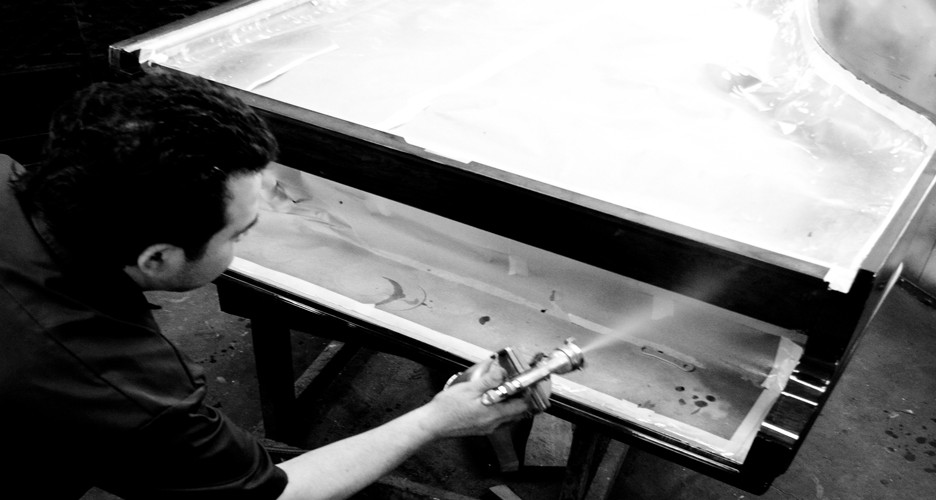
The following itemizes the work for the furniture part of the piano:
1) Remove old finish
2) Clean wood and pores
3) Repair veneer and other damaged or missing wood pieces.
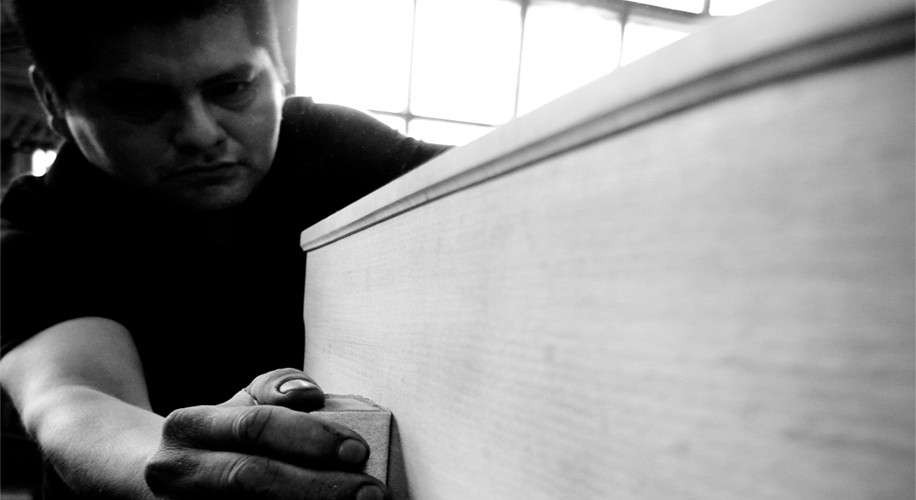
4) Sand surfaces
5) Stain wood
6) Apply multiple coats of high quality lacquer until pores are filled
7) Polish all surfaces to a satin or high gloss finish.

However, we usually do not recommend turning a piano that was made in Ebonized finish to a wood type finish as the grade of wood is usually not the type that is carefully matched. There are several types of lacquers and finishes available on the market, including lacquer, polyurethane, water-based finishes, and polyester.

For antique, highly-detailed, carved, or ornamented pianos, we offer true French polish finishing.

This is a hand-refinishing technique performed by applying and buffing out multiple coats of alcohol-based shellacs, the way pianos were finished many years ago. Our clients may choose the type of finish they prefer.

Before After

The finish may be a traditional satin, high polish or satin- luster, a type that offers a slight sheen without being overly shiny. A high gloss clear finish enhances wood grain because it acts as a lens to allow us to view the surface with reflective brilliance: Glossy finishes are not difficult to maintain, because simply wiping the instrument with a soft cloth keeps it polished.

French polishing
An ancient technique of wiping or rubbing shellac to apply a very thin high gloss finish. Shellac flakes are dissolved and mixed in with denatured alcohol. The finisher painstakingly applies coat after coat of shellac to “build” the finish to the desired thickness. A French polish finish may have a very level, high gloss appearance, similar to highly polished lacquer. Or it may have a satin sheen, slightly streaked in appearance when viewed in reflected light. Fancy pianos often had a much thicker application of French polish than plain models in order to show off elaborate inlay work under a high gloss. French polishing is a difficult skill to master, and labor-intensive.

pixelstats trackingpixel

Leave a Reply

You must be logged in to post a comment.

Refinishing & Polishing Refinishing & Polishing Refinishing & Polishing Refinishing & Polishing

Categories