
Cantabile Piano Arts – True Artisans
We specialize in the sale and restoration of all types of pianos. We offer a lovely selection of meticulously restored pianos and invite you to visit our showroom.
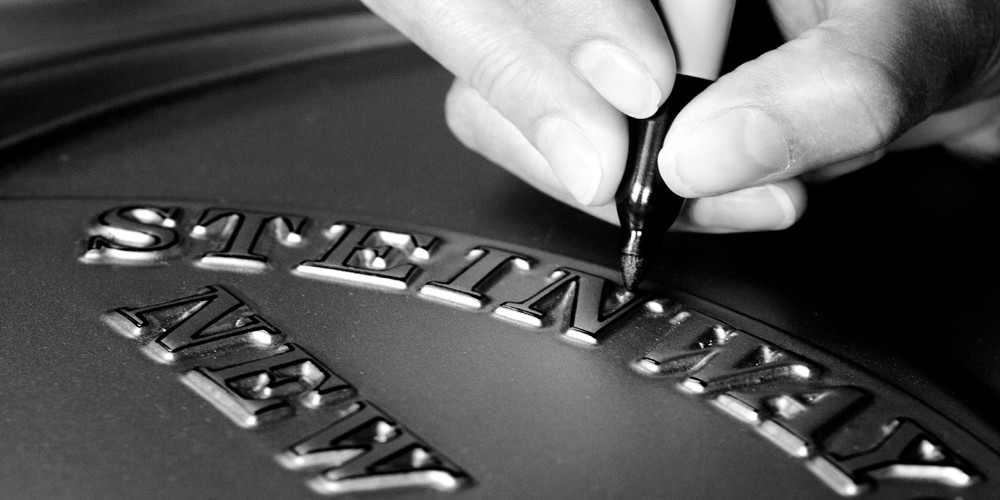
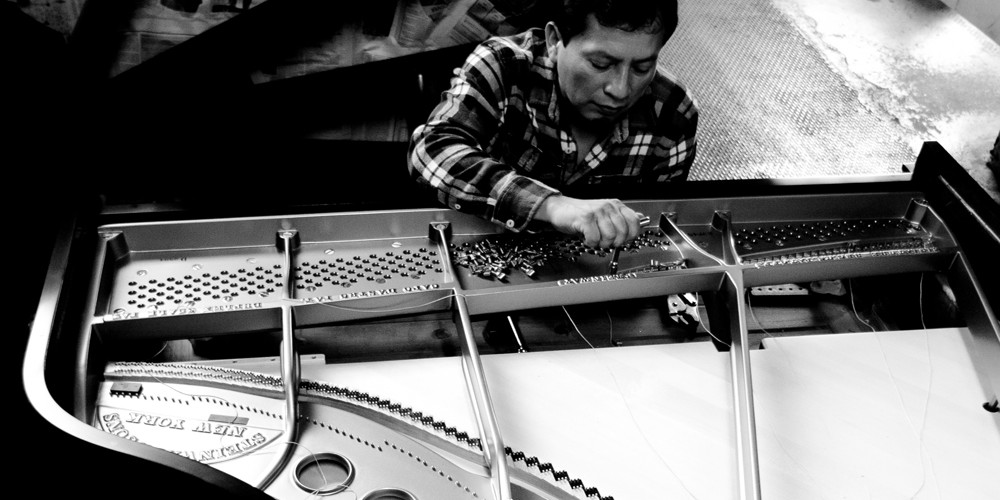
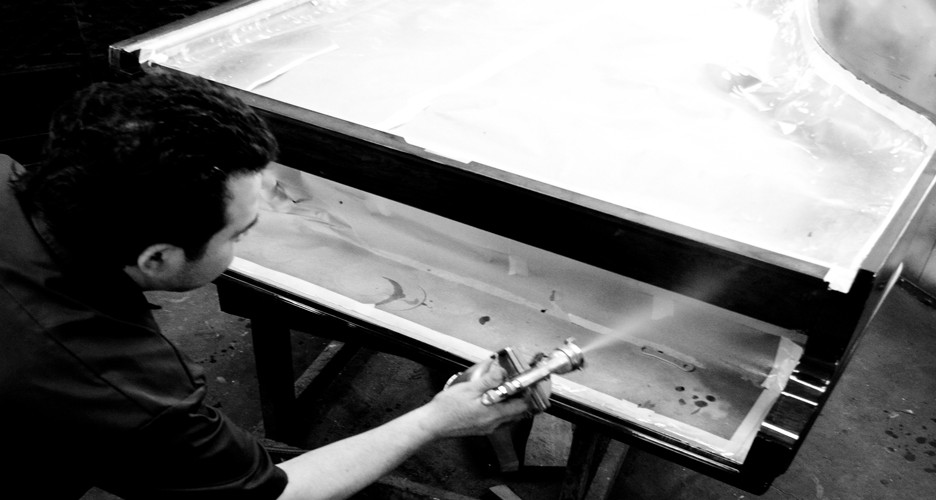
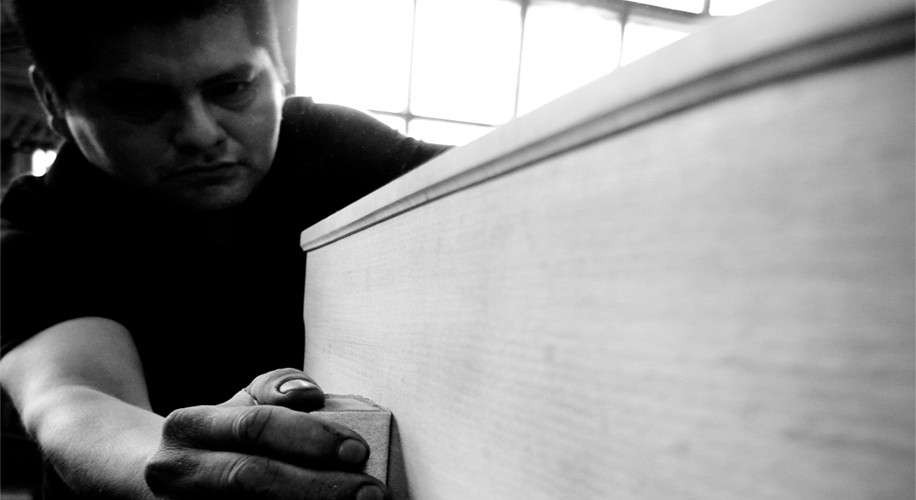
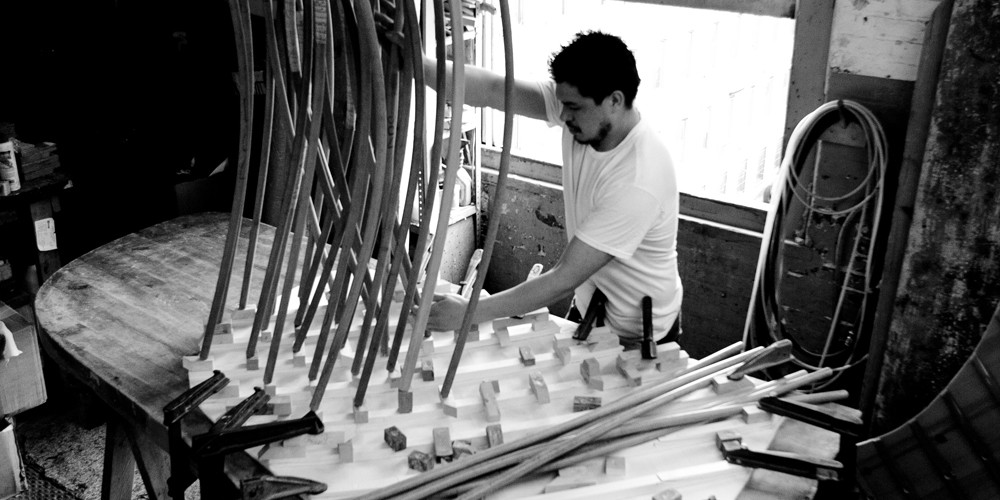
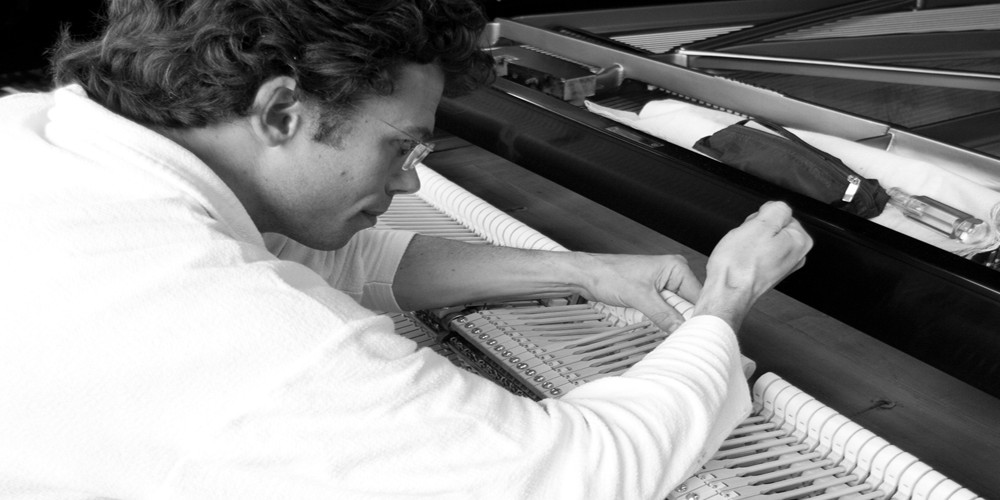
Cantabile is owned and managed by Luis Cajas and Carlos Macancela (Frankie). With nearly thirty years of combined experience in piano restoration, Luis and Frankie and their team of artisans bring back the magic and art of piano manufacturing and guarantee your satisfaction.
And to keep up with today’s technology, we have Digital Solutions for your instrument. Our insured pianos movers can pick up and deliver your piano anywhere in the US and abroad.
Please contact us to discuss the restoration of your instrument or to schedule an appointment to experience the pianos in our showroom.
Please call us to make an appointment before you come to visit. We work Monday through Saturdays from 8:00- 6:pm (although if requested we may stay later). We accept Visa, Master Card and American Express, and we offer financing options